
2026 Fall Summit Continuing Education Activities
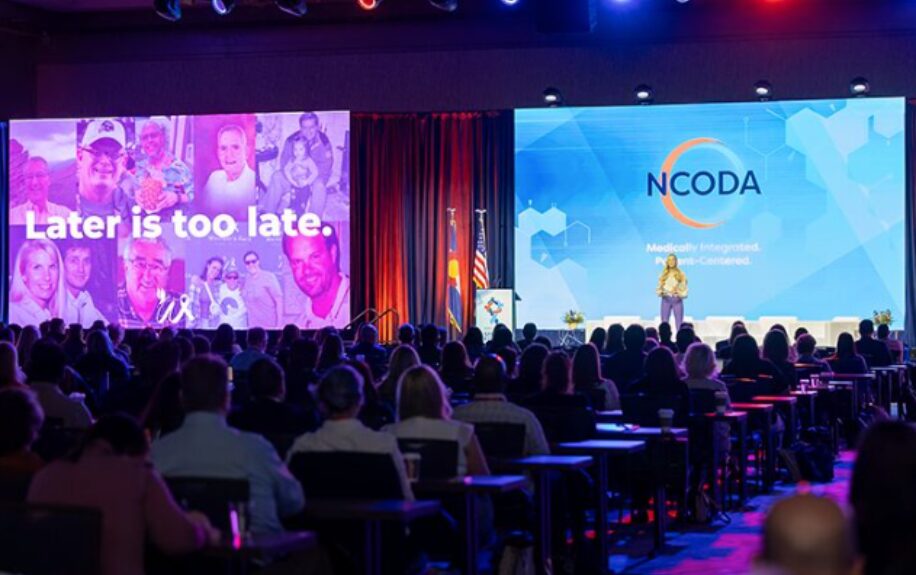
Explore a collection of continuing education activities at the 2026 NCODA International Fall Summit, featuring practical insights across today’s most important clinical and operational topics in oncology. Each activity offers real-world strategies your team can use to strengthen safety, coordination, and patient-centered care.
Make sure to register for the 2026 NCODA International Fall Summit CE activities through the link below.
After registering for your CE, you should receive a confirmation email with a unique link. Please DO NOT share this link with anyone as it is unique to your own profile. Make sure to complete each of your CE sessions’ Pre-assessment BEFORE the start of each CE session.
Click the button below to access the NCODA CE Handout, which includes essential information on CE registration, pre-assessment instructions, and a list of sessions approved for advanced practice providers, nurses, and physicians.
Compounding Under the Microscope: Investigating Contamination, Quality, & Safety in Oncology Practice
Target Audience: Pharmacists, Pharmacy Technicians
Credit available: 1.0 Hours
This interactive, station-based workshop will engage oncology pharmacy professionals in applying quality and safety principles to hazardous sterile compounding. Through live demonstrations, guided activities, and case-based problem solving, participants will explore hazardous drug preparation, cleaning and decontamination, hazardous drug residue control, and environmental monitoring. Participants will identify potential contamination and occupational exposure risks and analyze environmental monitoring findings to determine appropriate follow-up actions. Designed for varying levels of sterile compounding experience, the activity will reinforce foundational concepts while challenging experienced practitioners to identify opportunities to strengthen quality, safety, and adherence to USP <797> and <800> requirements in oncology practice.
Learning Objectives:
- Describe hazardous sterile compounding practices that support preparation quality and personnel safety.
- Explain the role of cleaning, decontamination, and hazardous drug residue control in reducing contamination and occupational exposure.
- Analyze cases involving unexpected or failed environmental monitoring results, potential contributing factors, and appropriate follow-up actions.
Target Audience: Pharmacists and Pharmacy Technicians
Credit available: 1.0 Hours
This interactive workshop explores opportunities to optimize the role of oncology pharmacy technicians within multidisciplinary care teams. Participants will learn how role clarity, communication, and structured development can improve workflow efficiency and patient care.
Navigating the Evolving Mulitple Myelpma Treatment Landscape: Bispecifics, CAR-T, & CELMoDs
Target Audience: Pharmacists, Pharmacy Technicians, Nurses, Nurse Practitioners, Physician Assistants, and Physicians
Credit available: 1.0 Hour
This activity will review the evolving role of CAR T-cell therapy, bispecific antibodies, and cereblon E3 ligase modulatory drugs (CELMoDs) in multiple myeloma, including their movement into earlier lines of treatment. Through multidisciplinary expert discussion, participants will explore treatment selection and sequencing, recognition and management of treatment-related toxicities, and supportive care considerations. The session will also address operational and workflow considerations for delivering these therapies in community oncology practice. Participants will examine how multidisciplinary team members support safe medication use, patient education, and coordination of care across community and academic settings.
Learning Objectives:
- Review the evolving role of CAR T-cell therapy, bispecific antibodies, and Cereblon E3 Ligase Modulatory Drugs (CELMoDs) in the management of relapsed/refractory multiple myeloma, including considerations for treatment selection and sequencing.
- Describe evidence-based strategies for recognizing, grading, and managing treatment-related toxicities associated with CAR T-cell therapy and bispecific antibodies, including cytokine release syndrome (CRS), neurotoxicity (ICANS), and infection risk.
- Discuss operational and workflow considerations for implementing bispecific antibody therapy in community oncology practice, including step-up dosing, patient monitoring, interdisciplinary communication, and coordination of care.
- Identify the roles of the oncology multidisciplinary team in supporting safe medication-use processes, treatment coordination, and patient education for emerging multiple myeloma therapies.
- Summarize practical approaches to optimizing patient outcomes through multidisciplinary management of patients receiving CAR T-cell therapy, bispecific antibodies, and novel CELMoD therapies
From Implementation to Impact: Lessons from the NCODA BTCE Mentorship Program
Target Audience: Pharmacists, Pharmacy Technicians, Nurses, Nurse Practitioners, Physician Assistants, and Physicians
Credit Available: 1.0 Hour
Hear directly from mentors and mentees as they reflect on their experiences implementing bispecific T-cell engager (BTCE) therapies through the NCODA Mentorship Program. This panel discussion will share practical lessons learned, successful strategies, ongoing challenges, and perspectives on implementing BTCE programs across a variety of practice settings. Participants will explore multidisciplinary roles, staff training, toxicity management, REMS processes, and care coordination, including transitions of care. The discussion will highlight approaches to overcoming implementation barriers and adapting workflows to institutional resources and patient needs.
Learning Objectives:
- Describe the roles, workflows, and resources needed to support bispecific T-cell engager (BTCE) therapy implementation in oncology practice.
- Explain approaches for staff training, toxicity management, REMS processes, care coordination, and transitions of care during BTCE therapy implementation.
- Discuss strategies to combat barriers to BTCE therapy implementation in oncology practice.
Advancing Care in Low-Grade Serous Ovarian Cancer: Integrating Molecular Testing into Clinical Decision Making
Target Audience: Pharmacists, Pharmacy Technicians, Nurses, Nurse Practitioners, Physician Assistants, and Physicians
Credit Available: 1.0 Hour
Low-grade serous ovarian cancer (LGSOC) is a distinct histologic subtype with unique molecular and biological characteristics that inform its treatment approach. This presentation will compare these characteristics with those of other ovarian cancer subtypes and review recommended molecular testing approaches and biomarkers relevant to LGSOC. Participants will explore current and emerging treatment strategies, including biomarker-directed options. Patient-case examples will provide opportunities to interpret molecular testing results and use molecular and clinical factors to guide treatment selection and clinical decision-making.
Learning Objectives:
- Describe the molecular and biological characteristics of low-grade serous ovarian cancer (LGSOC), including key differences from other ovarian cancer subtypes.
- Identify recommended molecular testing approaches in ovarian cancer, including biomarkers relevant to LGSOC.
- Discuss current and emerging treatment strategies for patients with LGSOC based on molecular and clinical factors.
- Interpret molecular testing results from patient-case examples to guide treatment selection and clinical decision-making in LGSOC.
Fixed Duration, Forward Thinking: Evolving CLL Treatment
Target Audience: Pharmacists, Pharmacy Technicians, Nurses, Nurse Practitioners, Physician Assistants, and Physicians
Credit Available: 1.0 Hour
This activity will review the clinical evidence, safety profiles, and practical considerations for fixed-duration treatment approaches in chronic lymphocytic leukemia (CLL). Case-based examples will explore how disease characteristics, comorbidities, patient preferences, and logistical considerations influence treatment selection. Discussion will also address monitoring, toxicity management, and interdisciplinary care to support safe implementation.
Learning Objectives (Pharmacists, Nurses, Nurse Practitioners, Physicians, & Physician Assistants):
- Discuss the key clinical evidence, safety profiles, and practical considerations associated with fixed-duration treatment approaches in chronic lymphocytic leukemia (CLL).
- Apply patient- and disease-specific factors that influence the selection of fixed-duration therapy in CLL through case-based examples.
Learning Objectives (Pharmacy Technicians):
- Discuss the key clinical evidence, safety profiles, and practical considerations associated with fixed-duration treatment approaches in chronic lymphocytic leukemia (CLL).
- Identify patient-specific factors that warrant pharmacist review when supporting fixed-duration therapy in CLL through case-based examples.
Protecting Future Possibilities: Integrating Fertility Preservation Across the Cancer Care Continuum
Target Audience: Pharmacists, Pharmacy Technicians, Nurses, Nurse Practitioners, Physician Assistants, and Physicians
Credit Available: 1.0 Hour
This activity will help oncology professionals identify patients at risk for treatment-related infertility and integrate fertility preservation into comprehensive cancer care. Participants will explore established and emerging preservation options, including the appropriate role and limitations of GnRH agonists, and opportunities for counseling and referral before, during, and after treatment. The session will emphasize multidisciplinary communication, shared decision-making, and strategies to address misconceptions and barriers to care. Particular attention will be given to pediatric and adolescent and young adult patients, with reproductive health and future family-building considerations addressed from diagnosis through survivorship.
Learning Objectives (Pharmacists):
- Discuss treatment-related infertility risks, fertility preservation options, and reproductive health considerations for pediatric, adolescent and young adult, and adult patients within multidisciplinary oncology care.
- Apply patient-centered communication and shared decision-making strategies regarding fertility preservation counseling, referral, and ongoing reproductive health needs in patient case scenarios across the cancer care continuum.
Learning Objectives (Pharmacy Technicians):
- Discuss treatment-related infertility risks, fertility preservation options, and reproductive health considerations for pediatric, adolescent and young adult, and adult patients within multidisciplinary oncology care.
- Review patient-centered communication and shared decision-making strategies regarding fertility preservation counseling, referral, and ongoing reproductive health needs in patient case scenarios across the cancer care continuum.
The Next Frontier: Emerging Career Pathways for Oncology Pharmacy Technicians
The following session is accredited for only pharmacists and pharmacy technicians:
Credit Available: 1.0 Hour
Oncology pharmacy technicians are assuming increasingly specialized roles that extend beyond traditional responsibilities and support evolving models of oncology care. This knowledge-based session will explore emerging career pathways through real-world practice examples and discussion of the competencies, experiences, and professional development strategies that support these roles. Participants will gain insight into how technician responsibilities are evolving across oncology practice settings and identify opportunities to strengthen technician contributions to patient care, operational excellence, and professional growth.
Learning Objectives:
- Describe emerging and evolving career pathways available to oncology pharmacy technicians and their contributions to contemporary oncology practice.
- Identify the transferable knowledge, skills, and competencies associated with expanded oncology pharmacy technician roles across diverse practice settings.
- Discuss professional experiences, challenges, and development strategies, including mentorship and lifelong learning, that support professional growth in specialized oncology pharmacy technician roles.
- Describe how optimizing the technician role and expanding responsibilities contribute to operational excellence, interdisciplinary collaboration, and high-quality, patient-centered oncology care.
The New Access Landscape: Preparing Oncology Practices for Coverage Changes in 2027
Target Audience: Pharmacists, Pharmacy Technicians, Nurses, Nurse Practitioners, Physician Assistants, and Physicians
Credit Available: 1.0 Hour
This activity will examine federal healthcare policy changes affecting insurance eligibility, enrollment, and access to care as oncology practices prepare for 2027. The session will focus on Medicaid and Affordable Care Act Marketplace requirements associated with the One Big Beautiful Bill Act (OBBBA) and the Marketplace Integrity and Affordability Final Rule, with a brief review of relevant Medicare implications. Participants will explore potential effects on insurance coverage, treatment access, and financial burden for patients with chronic medical conditions. The discussion will address preparation strategies and practical considerations for oncology teams supporting patients through coverage changes.
Learning Objectives:
- Describe the pending enrollment criteria and barriers to enrollment in Medicaid as well as the Marketplace set in place by the One Big Beautiful Bill Act (OBBBA) and the Marketplace Integrity and Affordability Final Rule.
- Discuss how the new enrollment criteria and barriers for Medicaid as well as the Marketplace may impact insurance coverage, treatment access, and financial burden for patients with chronic medical conditions.
- Identify preparation strategies for oncology care teams as they prepare for the potential impact of these policy changes on their patient populations.
From Prescription to Persistence: Optimizing Access & Adherence Across the OAM Journey
Target Audience: Pharmacists, Pharmacy Technicians, Nurses, Nurse Practitioners, Physician Assistants, and Physicians
Credit Available: 1.0 Hour
Participants will use the NCODA/ONS Oral Anticancer Medication (OAM) Care Compass to explore strategies for addressing barriers across the OAM journey, including access, education, adherence, toxicity management, documentation, and persistence. Through perspectives from the Oncology Nursing Society, an established OAM nurse navigator program, and a practice without a formal OAM program, attendees will examine workflow ownership and approaches to closing care gaps. Learners will then apply the Care Compass in a team-based activity to identify barriers, assign ownership, develop workflow interventions, and define measures of success. Participants will leave with practical strategies to strengthen OAM processes and support patient-centered outcomes.
Learning Objectives:
- Describe how the NCODA/ONS Oral Anticancer Medication (OAM) Care Compass may be used to address barriers to care.
- Examine the role of workflow ownership in a formal OAM program to reduce gaps in care.
- Compare approaches used by formal versus informal OAM programs to address barriers across the patient journey.
- Demonstrate application of available resources to address workflow gaps within individual practice settings through group activity.
Thinking Beyond the Task: Strengthening Clinical Judgment & Accountability in Oncology Nursing
Target Audience: Pharmacists, Pharmacy Technicians, Nurses, Nurse Practitioners, Physician Assistants, and Physicians
Credit Available: 1.0 Hour
This session explores clinical judgment and professional accountability in oncology nursing through Tanner’s Clinical Judgment Model and Benner’s novice-to-expert framework. Infusion-related reaction and triage/telephone symptom management scenarios will illustrate how clinicians recognize evolving concerns and determine appropriate responses. Through a case-based lecture and small-group activity, participants will examine how safety culture, near-miss/miss reporting, systems-level factors, and differing experience levels influence clinical judgment. The session will also explore how accountability and emotional intelligence support appropriate clinical responses and communication within the multidisciplinary oncology team.
Learning Objectives:
- Describe how Tanner’s Clinical Judgment Model (noticing, interpreting, responding, reflecting) applies to evolving clinical concerns, including infusion-related reactions and triage/telephone symptom management in a variety of oncology settings.
- Discuss how culture of safety, near-miss/miss reporting, and systems-level factors support or constrain clinical judgment at the point of care.
- Explain how clinicians across Benner’s novice-to-expert continuum contribute differently, with advanced beginners bringing transferable safety knowledge from prior settings to inform systems and protocols, and experts bringing pattern recognition to the bedside.
- Outline how principles of accountability and emotional intelligence inform an appropriate clinical response in a case-based infusion scenario.
2026 NCODA Fall Summit CE Poster Presentations
CE Approval: Pharmacists, Pharmacy Technicians, Physicians, Nurses, Nurse Practitioners, Physician Assistants
This poster session will highlight emerging research findings, practice trends, and improvement initiatives relevant to oncology care. Participants will review posters and engage with presenters to explore strategies supporting patient care, medication safety, and operational efficiency. The session will emphasize multidisciplinary collaboration and evidence-based approaches to advancing oncology practice.
Learning Objectives:
- Identify emerging research findings and practice trends relevant to oncology care.
- Describe strategies to improve patient care, medication safety, and operational efficiency in oncology practice.
- Recognize the role of multidisciplinary collaboration and evidence-based approaches in advancing oncology care.
Future of ADCs: Preparing Practices for What’s Coming
Target Audience: Pharmacists, Pharmacy Technicians, Physicians, Nurses, Nurse Practitioners, Physician Assistants
This activity will provide a forward-looking overview of how antibody-drug conjugates (ADCs) are changing cancer care. The discussion will examine their movement into earlier lines of therapy and the evolving use of ADC combination regimens. Participants will explore how novel payloads, bispecific ADCs, combinations of ADCs with bispecific antibodies, and emerging biomarkers may influence treatment selection and sequencing, while distinguishing established uses from investigational approaches. The activity will also address implications for oncology practices, including biomarker testing, toxicity monitoring, treatment coordination, and the roles of the interprofessional care team.
Learning Objectives:
- Describe current approved indications and the expansion of antibody–drug conjugates (ADCs) into earlier lines of therapy and evolving combination regimens.
- Explain how novel payloads, emerging biomarkers, bispecific ADCs, and combinations of ADCs with bispecific antibodies may influence patient selection and treatment sequencing.
- Identify operational implications of evolving ADC therapies for oncology practices, including biomarker testing, agent-specific toxicity monitoring, patient counseling, and interprofessional care coordination.
AI Unfiltered: A Live PQI Podcast on the Future of Oncology
Target Audience: Pharmacists, Pharmacy Technicians, Nurses, Nurse Practitioners, Physician Assistants, and Physicians
Credit Available: 1.0 Hour
This live PQI Podcast session will demystify artificial intelligence (AI) by defining foundational terms, briefly tracing its evolution, and explaining why recent advances have accelerated its visibility and adoption. The discussion will examine AI’s benefits, limitations, and safety considerations, including bias, privacy, transparency, accuracy, and appropriate human oversight. Participants will explore current and emerging applications in routine oncology care, including diagnosis, patient education, and communication, as well as clinical research applications such as trial matching, study design, data analysis, and drug development. Practical examples available to oncology teams today will be distinguished from emerging applications that may shape cancer care in the future.
Learning Objectives:
- Define foundational AI concepts including machine learning, generative AI, and large language models.
- Describe key benefits, limitations, and safety considerations associated with the use of AI in healthcare and oncology.
- Identify current and emerging applications of AI in routine oncology care, including diagnosis and patient education and communication.
- Explain how AI is being applied to oncology clinical research and clinical trials.
The Power of the Particle: Nuclear Pharmacy 101
Target Audience: Pharmacists, Pharmacy Technicians, Nurses, Nurse Practitioners, Physician Assistants, and Physicians
Credit Available: 1.0 Hour
Nuclear pharmacy and theranostics are becoming increasingly relevant in oncology care. This activity provides an introductory overview of radiopharmaceuticals and nuclear medicine for healthcare professionals involved in caring for patients with cancer. Participants will explore how radiopharmaceuticals are produced and safely handled, how radiation affects cells, and how theranostics supports diagnosis and treatment. The session will also address medication interference with diagnostic and therapeutic radiopharmaceuticals and the oncology care team’s role in supporting their appropriate use.
Learning Objectives:
- Describe the basic principles of particulate and non-particulate radiation in how it pertains to cellular toxicity and death.
- Recognize the basic concept of theranostics and its emerging relevance in the oncology space.
- Identify when a medication may interfere with the appropriate use of a diagnostic or therapeutic radiopharmaceutical in the detection and treatment of disease.
Pharmacist and Pharmacy Technician Participants: NCODA is accredited by the Accreditation Council for Pharmacy Education as a provider of continuing pharmacy education for pharmacists and pharmacy technicians.
Physician and Nurse Participants: The CE at the Fall Summit is jointly provided by Partners for Advancing Clinical Education (PACE) and NCODA for nursing and physician credit.