
2026 Spring Forum Continuing Education Activities
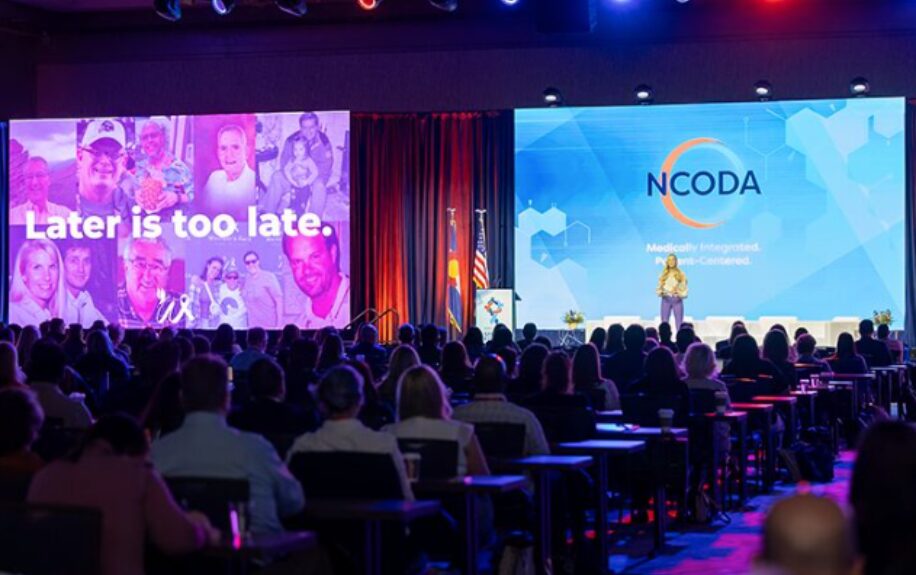
Explore a collection of Spring Forum continuing education activities featuring practical insights across today’s most important clinical and operational topics in oncology. Each activity offers real-world strategies your team can use to strengthen safety, coordination, and patient-centered care.
Make sure to register for the 2026 NCODA International Spring Forum CE activities through the link below.
After registering for your CE, you should receive a confirmation email with a unique link. Please DO NOT share this link with anyone as it is unique to your own profile. Make sure to complete each of your CE sessions’ Pre-assessment BEFORE the start of each CE session.
Click the button below to access the NCODA CE Handout, which includes essential information on CE registration, pre-assessment instructions, and a list of sessions approved for advanced practice providers, nurses, and physicians.
Below you’ll find the activity information, including the downloadable presentation and a note taking handout.
Blueprint to Excellence: A Workshop on Crafting Your Career Path & Building A Technician Advancement Plan
Target Audience: Pharmacists, Pharmacy Technicians, Nurses, Nurse Practitioners, Physician Assistants, and Physicians
Credit available: 1.0 Hours
The purpose of this activity is to equip oncology pharmacy technicians with practical strategies to support professional growth and structured technician development within their practice. Through guided discussion, real-world examples, and interactive activities, participants will examine how technician roles, SOP development, skill standardization, and certification can support workflow efficiency, reduce pharmacist burden, and promote sustainable practice growth. The activity emphasizes application-based learning to help technicians identify opportunities, articulate organizational value, and contribute to professional development initiatives aligned with practice needs.
Oncology Optimized Limited Distribution Workshop: Operationalizing Within Practice
Target Audience: Pharmacists, Pharmacy Technicians, Nurses, Nurse Practitioners, Physician Assistants, and Physicians
Credit available: 1.0 Hours
This activity is designed to educate oncology pharmacy teams on the role of medically integrated pharmacies (MIPs) and how oncology-focused limited distribution models influence medication access, care coordination, and treatment delivery. Participants will explore how different distribution pathways affect oncology practice workflows, communication between care teams, and timely initiation of therapy. The program will address knowledge gaps related to implementing oncology optimized limited distribution (OOLD) processes within oncology practices, particularly when managing complex oral and combination oncology regimens. Through discussion of operational considerations, workflow integration, and interdisciplinary collaboration, participants will gain practical strategies to support medication access, improve care coordination, and enhance the safe and effective delivery of oncology therapies.
Target Audience: Pharmacists and Pharmacy Technicians
Credit available: 1.0 Hours
This interactive workshop explores opportunities to optimize the role of oncology pharmacy technicians within multidisciplinary care teams. Participants will learn how role clarity, communication, and structured development can improve workflow efficiency and patient care.
Target Audience: Pharmacists and Pharmacy Technicians
Credit available: 1.0 Hours
This interactive workshop explores opportunities to optimize the role of oncology pharmacy technicians within multidisciplinary care teams. Participants will learn how role clarity, communication, and structured development can improve workflow efficiency and patient care.
Bridging Coverage & Care in 2026: Medicare OOP Changes, M3P, and Patient Financial Support
Target Audience: Pharmacists, Pharmacy Technicians, Nurses, Nurse Practitioners, Physician Assistants, and Physicians
Credit Available: 0.75 Hours
This session will provide a practical overview of the 2026 Medicare Part D redesign, including the transition to a three-phase benefit structure and the implementation of the Medicare Prescription Payment Plan (M3P). While these changes aim to reduce patient out-of-pocket burden, gaps in understanding and operationalization continue to create barriers to timely oncology care. Through a multidisciplinary panel discussion, attendees will learn how to interpret benefit changes, apply payment smoothing strategies, and connect patients to financial assistance resources. The session will emphasize real-world application, including workflow integration and interdisciplinary collaboration to reduce financial toxicity and improve treatment access.
Evolving Treatment Paradigms in Bladder Cancer Across the Care Continuum
Target Audience: Pharmacists, Pharmacy Technicians, Nurses, Nurse Practitioners, Physician Assistants, and Physicians
Credit Available: 1.0 Credit Hours
This session will review contemporary treatment approaches for bladder cancer across localized, perioperative, and advanced disease settings. Participants will explore the expanding role of immunotherapy and antibody–drug conjugates, with focused discussion on adjuvant immunotherapy and enfortumab vedotin plus pembrolizumab in modern treatment paradigms. Emphasis will be placed on clinical decision-making, therapy sequencing, and practical considerations for implementation in oncology practice.
From Referral to Randomization: Using AI to Close Clinical Trial Enrollment Gaps
Target Audience: Pharmacists, Pharmacy Technicians, Nurses, Nurse Practitioners, Physician Assistants, and Physicians
Credit Available: 1.0 Credit Hours
This panel discussion will examine how artificial intelligence is being applied to improve clinical trial workflows in community oncology. Faculty will review the fundamentals of AI-driven patient identification, eligibility screening, and trial matching, with emphasis on how these tools can support more efficient referral pathways and timely enrollment. The session will also address ongoing barriers to trial participation, including workflow inefficiencies, access challenges, inequities in enrollment, and will discuss how AI-enabled processes may help improve access and promote health equity across diverse patient populations. Through real-world examples, panelists will describe interdisciplinary strategies for integrating AI into practice settings and highlight the roles of pharmacists, advanced practice providers, physicians, nurses, pharmacy technicians, research coordinators, and administrative staff in supporting trial referral, screening, and enrollment. Participants will leave with practical strategies to strengthen team-based collaboration and optimize the pathway from initial referral through successful randomization.
Leveraging Your Toolbox: Strategies for Navigating 2026 Barriers Accumulators, Maximizers, & Alternative Funding Programs
Target Audience: Pharmacists, Pharmacy Technicians, Nurses, Nurse Practitioners, Physician Assistants, and Physicians
Credit Available: 1.0 Credit Hours
This activity will examine how accumulators, maximizers, and alternative funding programs are reshaping the financial landscape of oncology care and influencing patient affordability, access to therapy, and treatment continuity. Participants will review how these benefit design strategies function, why their use is expanding, and the operational and clinical coordination challenges they create within oncology practice workflows. Through workflow-based scenarios and interdisciplinary discussion, learners will identify early indicators of access barriers and explore practical strategies to support timely prior authorization, financial navigation, and continuity of care. This session is designed to strengthen the oncology multidisciplinary team’s ability to proactively address evolving 2026 access challenges within their respective practice settings.
Protecting Access to Oncology-Optimized Limited Distribution Drugs
Target Audience: Pharmacists, Pharmacy Technicians, Nurses, Nurse Practitioners, Physician Assistants, and Physicians
Credit Available: 0.75 Hours
This activity is designed to educate oncology pharmacy teams on the critical role of Medically Integrated Pharmacies (MIPs) and the impact of Oncology Optimized Limited Distribution (OOLD) models on patient care, operational efficiency, and clinical outcomes. Participants will gain a clear understanding of how various distribution models affect medication access, therapy coordination, and practice sustainability. The program aims to close knowledge gaps related to operationalizing OOLD within practice workflows, particularly in the management of complex oral and combination oncology regimens. Ultimately, this education supports improved care coordination, increased internal capture rates, and enhanced patient-centered oncology treatment delivery.
Polycythemia Vera in Modern Practice: Practical Treatment & Long-Term Management
The following session is accredited for only pharmacists and pharmacy technicians:
Credit Available: 1.0 Hours
This continuing education session offers a practical overview of polycythemia vera (PV), with a focus on diagnosis, risk assessment, and treatment planning. Participants will review how disease risk influences management decisions, including thrombosis prevention, symptom control, and when to consider cytoreductive therapy. The activity will also highlight current treatment approaches and supportive care strategies to help optimize long-term management of patients with PV.
Right Test, Right Treatment, Right Time: Navigating Lung Cancer Diagnostics, Decisions, and Supportive Care
Target Audience: Pharmacists, Pharmacy Technicians, Nurses, Nurse Practitioners, Physician Assistants, and Physicians
Credit Available: 1.0 Hours
This activity is designed to improve interdisciplinary competence in delivering timely, evidence-based lung cancer care by addressing persistent gaps in staging accuracy, comprehensive biomarker testing, and navigation across the diagnostic–treatment continuum. Participants will learn how to interpret and apply essential diagnostic tests, integrate staging and biomarker results into treatment planning, and implement workflow strategies that reduce delays in care. The program will also equip learners with current guidelines for supportive care and toxicity management across chemotherapy, targeted therapy, and immunotherapy regimens. Through a multidisciplinary panel discussion and case-based learning, pharmacists, technicians, nurses, physicians, and advanced practice providers will gain practical skills to ensure patients receive the right test, right treatment, at the right time.
The Biomarker Playbook: Understanding the Markers That Shape Access to Therapy
The following session is accredited for only pharmacists and pharmacy technicians:
Credit Available: 1.0 Hours
Biomarker testing plays an increasingly influential role in determining oncology treatment pathways and supporting payer authorization requirements. As payers rely more heavily on biomarker-driven criteria to confirm treatment eligibility, missing or unclear documentation can create barriers to timely therapy initiation. This session provides oncology pharmacy technicians, pharmacists, nurses, advanced practice providers, and other members of the care team with a practical understanding of key biomarkers, where biomarker results are typically located within the medical record, and why these results are essential to treatment coordination and access. Through real-world examples and case-based discussion, participants will strengthen their ability to recognize relevant biomarker information, anticipate documentation needs, and support more efficient interdisciplinary coordination across the treatment pathway.
Target Audience: Pharmacists, Pharmacy Technicians, Nurses, Nurse Practitioners, Physician Assistants, and Physicians
Credit Available: 1.0 Hours
This session combines clinical expertise and lived experience to support the interprofessional oncology healthcare team facing the emotional and systemic demands of modern care. Participants will learn practical evidence-based strategies that can be implemented into daily practice. Clinician’s well-being can correlate to patient safety, quality of care, and clinical performance. Attendees will leave with actionable tools and resources to strengthen resilience and sustain well-being in both survivorship and clinical practice.
Burnout in the Oncology Landscape: Challenges, Causes, and Solutions
Target Audience: Pharmacists, Pharmacy Technicians, Nurses, Nurse Practitioners, Physician Assistants, and Physicians
Credit Available: 0.75 Hours
This activity is designed to educate oncology care team members on the scope, causes, and consequences of burnout across the oncology landscape. It will examine major contributors to burnout, including emotional demand, workload, and administrative burden, as well as the effects of burnout on patient safety, communication, and workforce stability. The session will also review practical, evidence-based strategies that can be applied at the individual, team, and system levels to help address burnout in oncology practice. The overall goal is to increase awareness of burnout as a multidimensional issue and equip learners with approaches that support clinician well-being and sustainable, high-quality cancer care.
Recognize, Triage, Treat: A Practical Approach to ICI Toxicities
Target Audience: Pharmacists, Pharmacy Technicians, Nurses, Nurse Practitioners, Physician Assistants, and Physicians
Credit Available: 0.75 Hours
This session will discuss immune related adverse events (irAEs) that occur during cancer immunotherapy, with an overview of clinical presentation and management of common irAEs. In addition, we will discuss team-based approaches for management of these side effects. We will discuss counseling for providers to patients about the risk of these side effects, the association with treatment outcomes, and recommendations for patients with pre-existing autoimmune disease. Finally, we will discuss the impact on survivorship.
Pharmacist and Pharmacy Technician Participants: NCODA is accredited by the Accreditation Council for Pharmacy Education as a provider of continuing pharmacy education for pharmacists and pharmacy technicians.
Physician and Nurse Participants: The CE at the Spring Forum is jointly provided by Partners for Advancing Clinical Education (PACE) and NCODA for nursing and physician credit.